Dessert Stomach: Why Your Brain Craves Dessert
Key points:
What is the dessert stomach pathway.
How post-meal sugar cravings differ from food noise.
How to reward your brain without sugar.
We’ve all been there, especially when dining out. We eat until we’re satiated, or we overeat and feel extremely full. Dessert might not be on our minds until the waiter asks, someone we’re dining with mentions it, or we see a commercial on TV. We were full a second ago, then hunger pangs return. This is a phenomenon known as “dessert stomach”. We’re not hungry. Our brain is seeking a reward, and food isn’t our only option.
The Dessert Stomach Pathway
The pro-opiomelanocortin (POMC) neurons in the brain are best known for signaling appetite and satiety. They remind you when you’re hungry, and alert you when you’re full. However, scientists have discovered that some POMC neurons only signal for sugar. This is why you may not crave something sweet before or during your meal, but the mere mention or sight of dessert makes it feel like you have “room” for a treat.
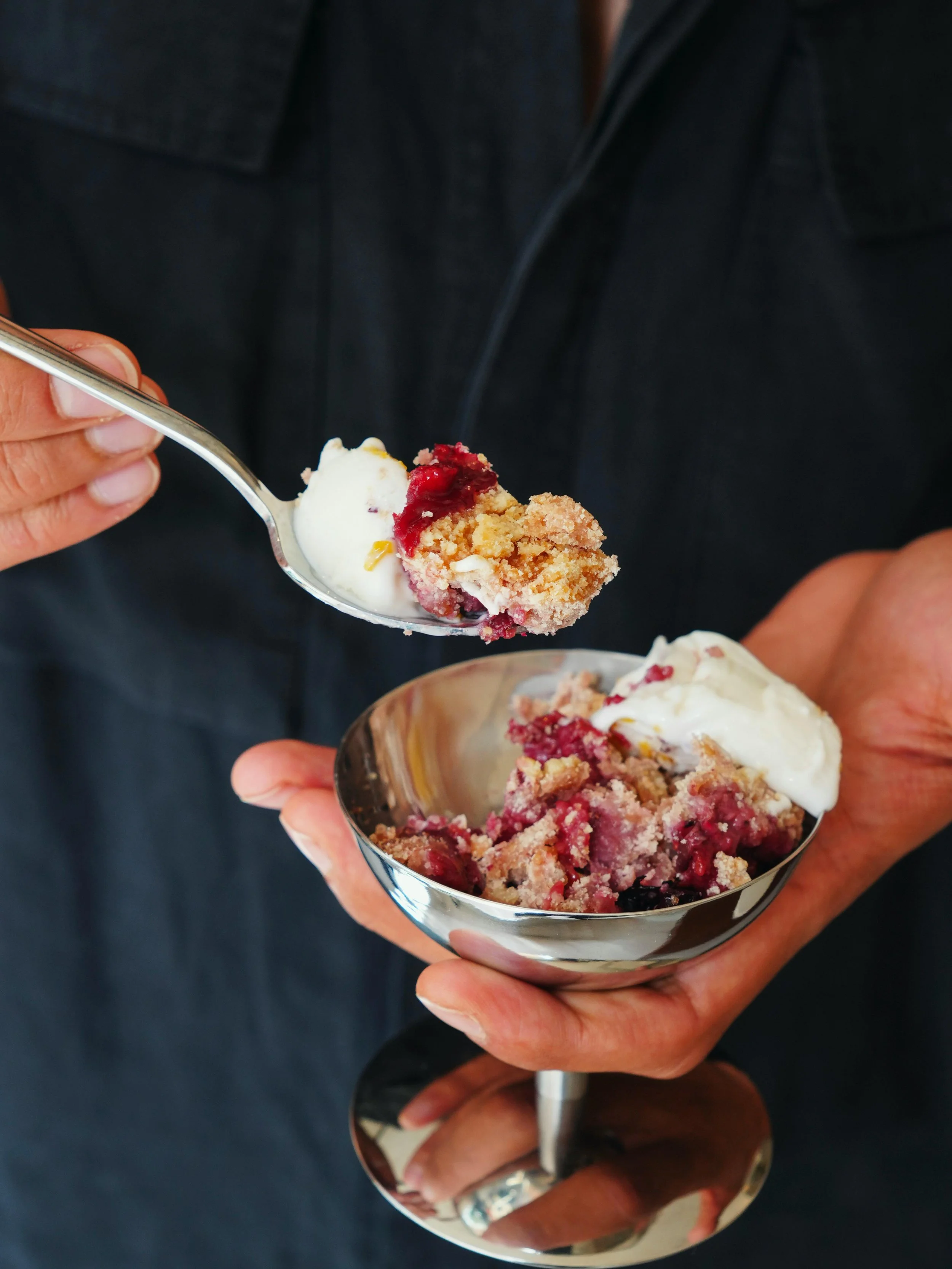
Begin by minimizing sweet treats at home. Also, identify healthy dessert options, such as low-fat yogurt, fresh fruit, or my Caramelized Spiced Pear recipe.
When dining out:
Plan to indulge before you order your meal to keep portion control in mind.
Intentionally avoid looking at the dessert menu when choosing your meal.
Ask the waiter not to suggest dessert at the end of your meal, being mindful that they may forget and ask anyway.
Split your dessert, especially restaurant-sized sweet treats.
Is Dessert Stomach Just Sugar Cravings?
This post-meal sugar craving differs from standard sugar and food cravings, as it’s more likely to occur after you eat lunch or dinner. If you struggle with food noise, it can be difficult to differentiate between the two. You may be struggling with both food noise and dessert stomach.
Food noise occurs all day long and includes all types of food, not just dessert.
Identify An Alternate Reward
Understanding that it’s your brain, not you, makes it easier to resist temptation. Especially if you identify a healthy source of pleasure. Ultimately, your brain is seeking a “reward”. A quick boost of feel-good hormones. So, in addition to the tips above, identify food-free ways to silence your sugar neurons.
Take a 10-minute (or more) post-meal walk.
Listen to a song that lifts your spirits.
Watch a funny pet video or an inspirational video.
Turn to your preferred method of aroma therapy.
Identify the best thing that happened today.
Hug your child or partner for 20 seconds.
Nutritious Desserts That Curb Your Cravings
If a diet doesn’t fill you up and satisfy your cravings, you won’t stick with it. That is why fad diets don’t work. My role as your dietitian isn’t to eliminate desserts from your meal plan, it’s to elevate your sweet treats so you can indulge when dessert stomach strikes. Also, to guide you on how to plan your sweet and savory indulgences.
My recipes are tailored to your food preferences and designed to support your health goals. I work with you to identify recipes built around your favorite foods and flavors. Your nutrient-dense meals will energize you physically and mentally.
Reach out to learn more about the benefits of personalized meal planning.