How Ultra-Processed Foods Contribute to Overeating and Obesity
Key points:
Understanding ultra-processed foods and the 4 different food categories.
Why UPFs cause food cravings that require more than mere willpower.
How long before cravings subside after switching to a whole food diet.
We all understand that what we eat contributes to obesity. However, the link between ultra-processed foods and obesity is more than a matter of calories, sugar, trans fat, and portion size. Foods high in synthetic and low-nutrient ingredients cause hunger cravings, creating a vicious cycle that’s more than a matter of willpower.
The NOVA Food Classification System
The NOVA Food Classification System breaks food into 4 categories, with UPFs the most concerning. As you’ll see below, “processed” foods aren’t always unhealthy, as processing is required for extending shelf-life and creating secondary food products. Ultra-processed foods are the most concerning category.
The 4 NOVA food classifications are:
1. Unprocessed/Whole Foods: Nutrient-dense foods with no added sugar, salt, oil, or synthetic additives. This includes fresh and frozen fruit and vegetables, nuts, seeds, pasta, dry beans, and fresh meat and seafood.
2. Processed Culinary Ingredients: Unprocessed foods that are pressed, refined, or ground into a secondary food product. This includes salt, sugar, butter, honey, and olive oil.
3. Processed Foods: Foods with added salt, oil, or sugar, containing an average of 2 to 3 ingredients. Healthy examples of processed foods include canned vegetables, canned beans, canned tuna, and low-fat dairy products.
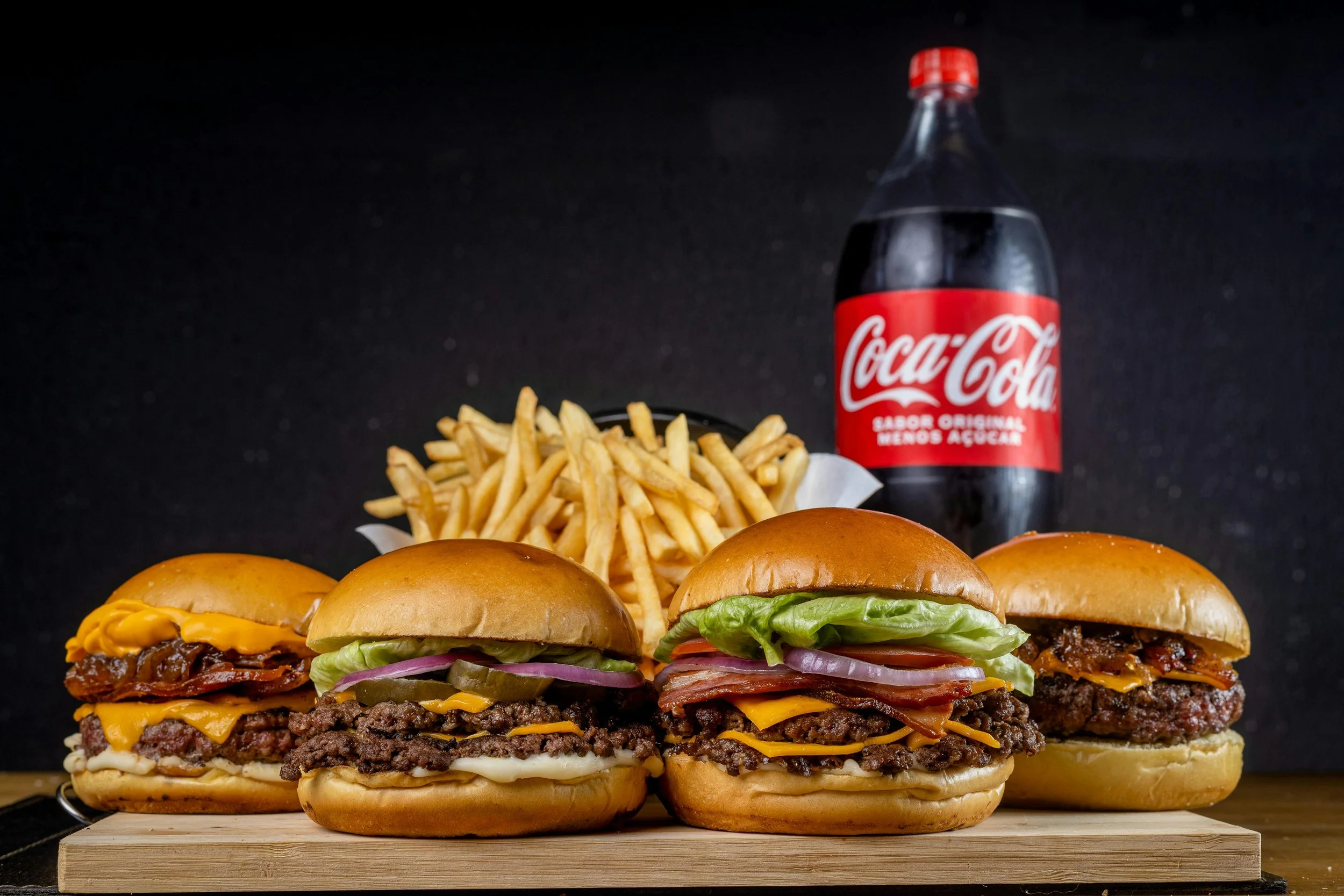
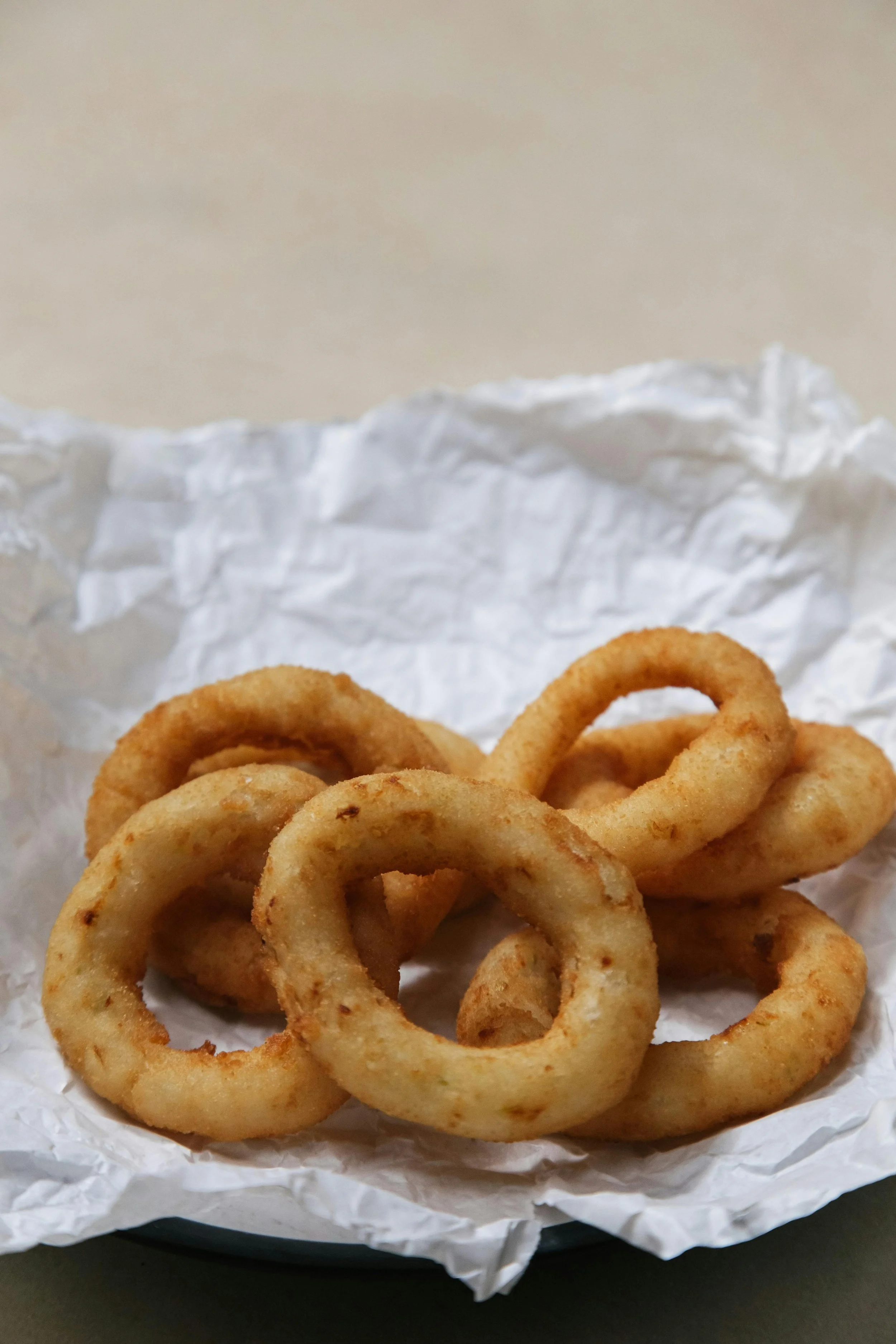
4. Ultra-Processed Foods (UPFs): UPFs contain little to no whole foods or nutritional value. The key ingredients are sugar, corn syrup, trans fat, synthetic flavoring, food dyes, and synthetic additives.
How UPFs Impact Food Cravings?
A diet high in UPFs creates a ripple effect throughout your brain and body that keeps you craving more, but sometimes your body is simply craving water or nutrients.
Your Body Needs Nutrients
When your diet is high in UPFs, it’s low in vitamins and minerals. As such, the hunger pangs you feel may be your body craving nutrient-dense foods and hydration.
Hormonal Imbalance
Emulsifying additives (ingredients that keep food from separating) disrupt hunger hormones, leading to increased cravings.
Imbalanced Gut Microbiome
Sugar and synthetic additives create a microbial imbalance in your gut. The “bad” bacteria send signals to your brain to consume the foods that maintain your imbalance.
Stress and Comfort Cravings
When you indulge in your favorite UPFs, it triggers your brain reward center by boosting the “feel-good” hormone dopamine in your brain. You may eat more to get another dopamine boost.
How Long Before Cravings Subside?
With a better understanding of the link between ultra-processed foods and obesity, you may be wondering how long before the cravings above subside. There’s no hard and fast rule, but expect cravings to be at their highest during the first 2 weeks.
Within 2 weeks, you’ll form new tastebuds, which help to decrease cravings.
It can take several months to restore your microbiome, but with the right nutrients, you can rapidly feed “good” bacteria.
Identifying healthy ways to activate the reward system in your brain provides the dopamine you crave without the empty calories.
Building a meal plan around whole foods with the nutrients you’re lacking can reduce cravings in a few weeks.
Let’s Discuss Nutrition Beyond Ultra-Processed Foods and Obesity
Obesity isn’t the only reason to eliminate UPFs from your diet. A diet low in whole foods increases your risk for cardiometabolic health diseases, including Type 2 diabetes, hypertension, fatty liver disease, stroke, heart attack, and more. So, if you’re at a “healthy” weight, but eat mostly processed foods—your risk for these conditions is higher than it needs to be.
Reach out to learn how to transition your nutrition to a satisfying and satiating dietary pattern that optimizes your health.