Foods to Help Lower Cholesterol & Boost Heart Health
Key points:
Minimizing foods high in LDL cholesterol in your diet is only one way to boost your heart health.
Some foods help your body eliminate “bad” cholesterol, block absorption, and reduce plaque buildup.
Knowing when to eat heart-healthy foods is as important as eating foods that help regulate cholesterol.
Lowering your cholesterol isn’t only a matter of eliminating the high-cholesterol foods in your diet. Some foods contain compounds that block the absorption of the cholesterol you consume. You can also add foods to your diet that optimize liver function to remove cholesterol. Below are the foods that boost heart health in a range of meaningful ways.
1. Soluble Fiber to Block Absorption
Soluble fiber minimizes the “bad” LDL cholesterol your body absorbs. Most Americans consume 10 to 15 grams of fiber per day (both soluble and insoluble). This falls short of the daily suggested minimum of 25 grams per day. So, increasing your fiber is beneficial on many levels.
Foods high in soluble fiber include:
Apples
Avocados
Barley
Beans
Chia seeds
Lentils
Nuts
Oats
Pears
Seeds
Sweet potatoes
Whole grains
2. Plant Phytosterols to Remove Cholesterol
Plant sterols and stanols are natural compounds that look and act like cholesterol, without the negative effects. Your body absorbs and digests phytosterols instead of bad cholesterol. Once absorbed, phytosterols help your body remove LDL cholesterol as waste.
Foods high in phytosterols include:
Banana
Berries
Broccoli
Carrots
Leafy greens
Nuts
Rye bread
Seeds
Whole grains
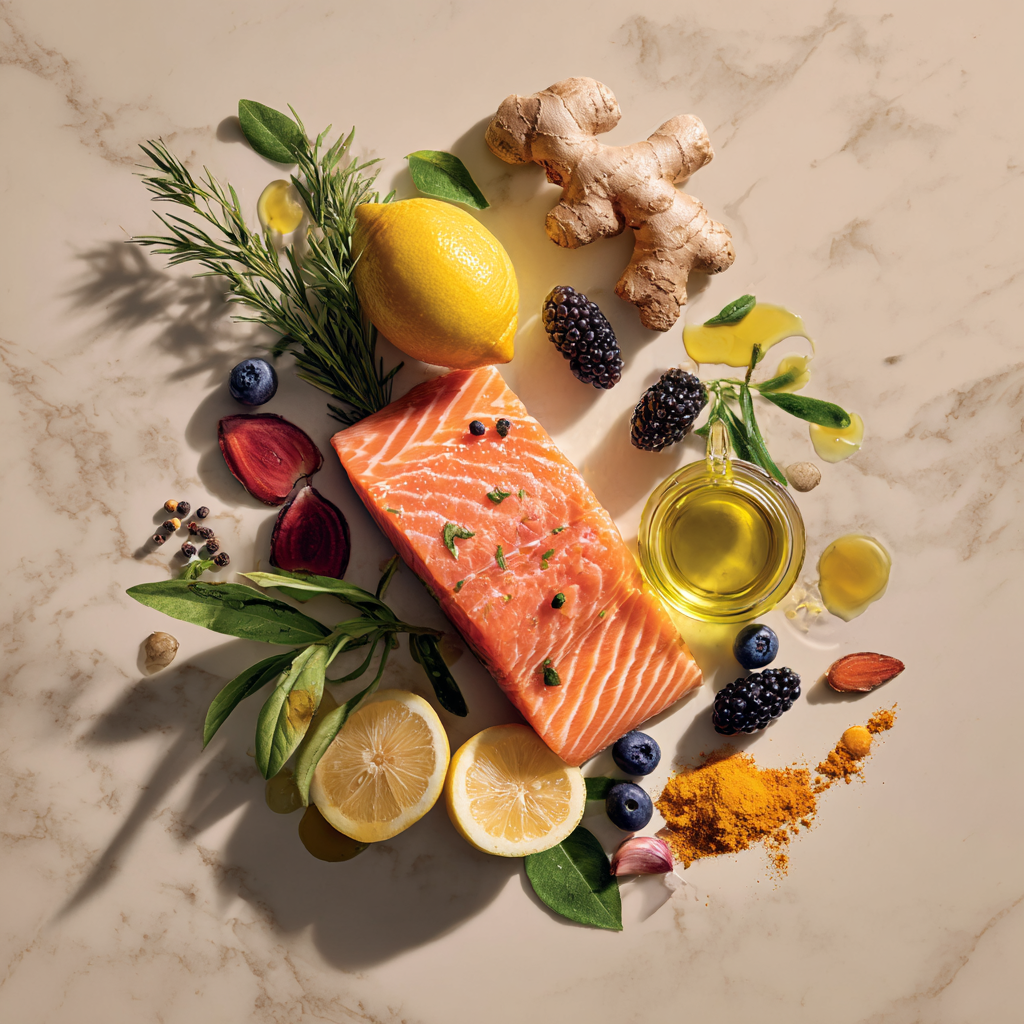
3. Unsaturated Fats to Boost Liver Function
Saturated fats and trans fats contain “bad” LDL cholesterol, while unsaturated fats contain “good” HDL cholesterol. When your diet is high in saturated fat and trans-fat, it suppresses the liver’s ability to eliminate LDL from your bloodstream. Increasing the polyunsaturated and monounsaturated fats in your diet turns your liver receptors “on” so that your body can eliminate the LDL from your bloodstream.
Foods high in unsaturated fats include:
Almonds
Avocados
Chia seeds
Flaxseeds
Olive oil
Olives
Salmon
Soy products
Tuna
Walnuts
Are Omega Fatty Acids Unsaturated Fat?
Yes! Omega fatty acids are sources of unsaturated fats, and foods that boost heart health.
4. Antioxidants and Polyphenols to Minimize Plaque Buildup
A diet high in antioxidants helps prevent the cholesterol in your blood from oxidizing. When cholesterol oxidizes, it becomes sticky. When sticky, it’s more likely to form plaque that builds up in your artery walls. Antioxidants and polyphenols help keep LDL flexible and moving through your bloodstream, where it can be eliminated by your liver.
Foods high in antioxidants and polyphenols include:
Artichokes
Blackberries
Blueberries
Broccoli
Coffee
Dark chocolate
Fresh or dried herbs
Green tea
Hazelnuts
Olive oil
Olives
Red onions
Spices
Spinach
When to Eat the Foods Above
As you can see, there is a lot of overlap in the food lists above. Try to eat food from each category with each meal. Or take a more strategic approach with the tips below.
Breakfast: Begin your day with oatmeal, homemade chia seed pudding, or other soluble fiber. This will kickstart bile production to clear waste from your blood and digestive tract.
Lunch and Dinner: Prioritize plant sterols and healthy fats during your largest and most indulgent meals. This minimizes the amount of cholesterol your body absorbs.
Dinner: When possible, keep saturated fat, trans fat, and high-sugar foods to a minimum in the evenings. This is because it’s harder for your body to process efficiently later in the day. Prioritize antioxidants and lean meat. Feel free to enjoy a few pieces of 70% dark chocolate after dinner!
Tailoring Your Nutrition Beyond Foods That Boost Heart Health
If you want to learn to tailor your meal beyond the guidance above, I’m here to help! As a dietitian, my role is to create meals that support your heart, mind, and body. Reach out to learn more!