
Key Points:
Why iron consumption is a higher priority for vegan and low-meat diets.
Why iron supplements and plant-based iron is harder to absorb.
Plant-based foods and food combinations that increase iron absorption.
Plant-based diets decrease your risk for cardiometabolic disease and often improve high-risk health markers. Creating a well-balanced plant-based diet requires mindful planning. Most new vegans focus so much on their protein intake but fall short on iron. Consistently low iron increases your risk for anemia. It’s not as simple as identifying vegan iron sources, as plant-based iron is harder for your body to absorb. With the right food combinations, vegans can obtain the minerals their bodies require to thrive.
What Does Iron Do in Your Body?
Iron is an essential mineral your body requires for maintaining healthy red blood cells. Iron helps transport nutrient-dense oxygen throughout your body through your blood. It plays a vital role in cellular regulation, immune function, cognitive performance, and energy levels.
Why Are Vegans at a Higher Risk of Anemia?
Red meat, shellfish, and eggs are the top sources of heme iron. Since these sources are removed from vegan diets, you must plan your meals accordingly. Plant-based iron is non- heme, which isn’t as easily absorbed by your body. You must also be mindful that what you eat and drink with high-iron foods impacts absorption. So, it’s not a mere matter of reading the label.
It’s also why flexitarian and low-meat and dairy diets are on the rise. Even a meal or two a week with meat or eggs helps minimize anemia.
Signs of anemia include:
Brittle nails
Cold hands and feet
Dizziness
Pale skin
Shortness of breath
Unexplained fatigue
Weakness
Can Vegans Get Their Iron from Supplementation?
Supplementation may bridge the gap, but supplement quality varies greatly. Taking daily iron supplements also requires consuming foods that boost absorption levels. Studies also suggest increased absorption by taking supplements every other day. So, what you eat is still part of the equation.
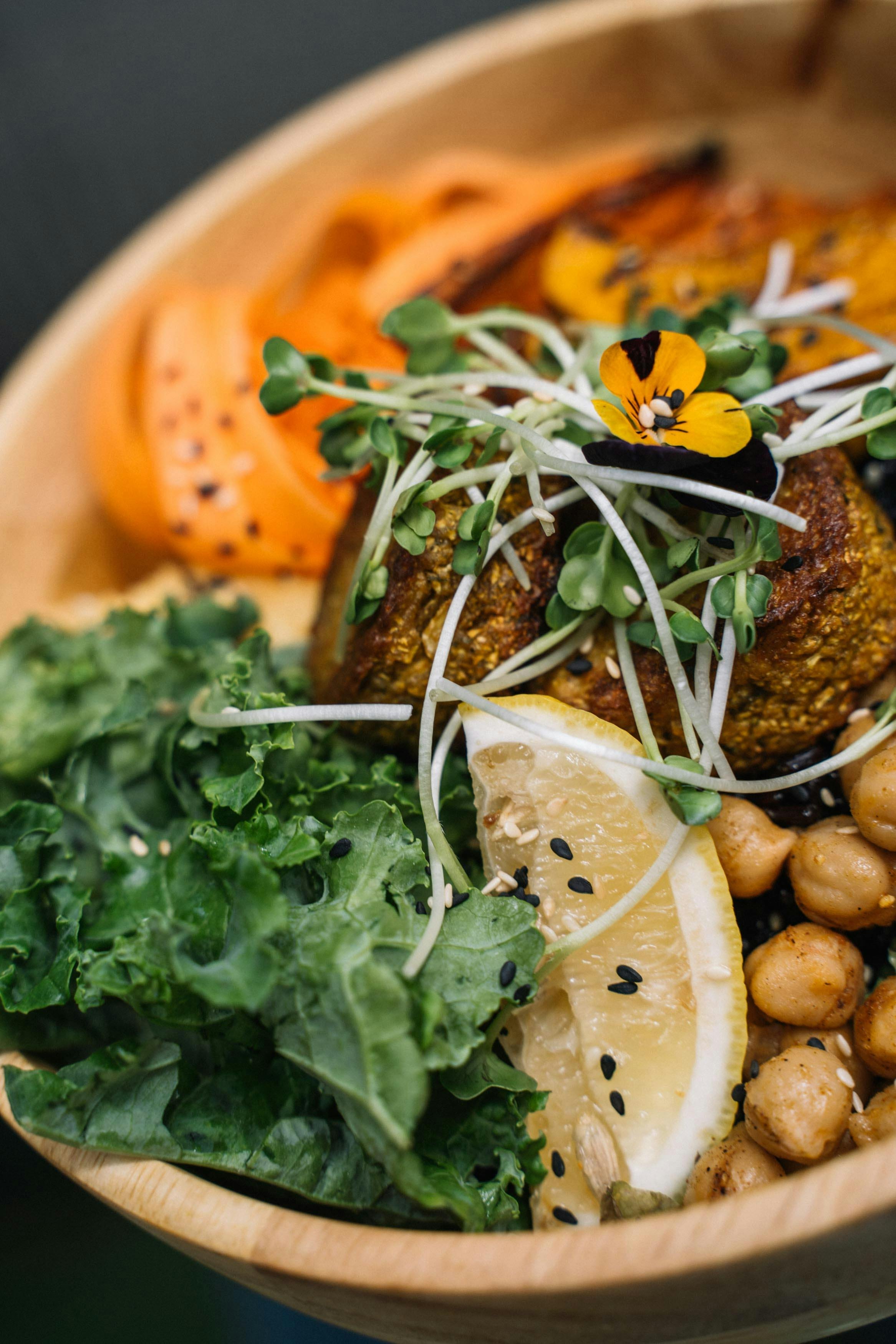
Plant-based iron sources
Many vegan and health food brands fortify their foods with iron and other minerals. Whether fortified or natural, consume the foods below with Vitamin C-rich foods.
Almonds
Asparagus
Avocado
Blackstrap molasses
Cashews
Dried apricot
Green beans
Iron-fortified cereal
Iron-fortified pasta
Leafy greens
Lentils and legumes
Oatmeal and steel-cut oats
Pine nuts
Pistachios
Pumpkin seeds
Quinoa
Raisins
Soybeans and beans
Spinach
Tempeh
Tofu
Whole grains
Whole wheat bread
Foods that enhance iron absorption
The foods below are high in Vitamin C to aid in iron absorption.
Berries
Broccoli
Cantaloupe
Chard
Citrus fruits
Green bell pepper
Kiwi
Papaya
Red bell pepper
Tomato
Foods that inhibit iron absorption
The foods below decrease absorption and should be consumed 2 hours before or after iron supplements or the foods above. This includes non-caffeinated teas, because the tannins inhibit absorption.
Alcohol
Calcium supplements
Coffee
Dairy
High-fiber foods
Soda
Tea
Bonus Tip: Cook In a Cast-Iron Skillet
Infuse everything you cook, grill, or bake with 2 to 5 milligrams of iron by using a cast-iron skillet. If not a skillet, a cast-iron sheet pan, baking pan, or an indoor or outdoor grill.
Plant-Based and Struggling with Anemia? Let’s Talk!
As a registered dietitian, I tailor your meal plans to your dietary preferences. This includes building a plant-based diet with vegan iron sources and foods that support absorption. My meal plans are based around the foods and flavors you love, leaving you satiated and satisfied. Whether you’re struggling with anemia, fatigue, or low energy, my meal plans support your holistic health.
Reach out to discuss the benefits of tailored meal plans!